
Well, well, well, if it isn't the internet doing what it does best – causing a bit of a kerfuffle over some leaked game code. Back in April 2020, a digital ghost from the past decided to pay a visit. The source code for Counter-Strike: Global Offensive and its sibling, Team Fortress 2, got a surprise public outing. You could practically hear the collective gasp from the community. Everyone was on high alert, imagining all sorts of digital bogeymen – malware, hacks, you name it – just waiting to jump into the current game. But the folks over at Valve, the game's stewards, just let out a long, slow sigh. They'd seen this movie before, you see. They calmly explained that this was actually a re-run; this specific batch of code had already done the walk of shame back in 2018. After a thorough check-up of the 2017-era digital DNA that was leaked, Valve gave the all-clear, assuring players there was no need to panic or avoid the game. Fast forward to 2026, and their confidence seems well-placed. To this day, no malware or major security headaches have sprouted from that old leak. It was a lot of noise, but in the end, the game's core remained as sturdy as ever. Talk about an anticlimax!
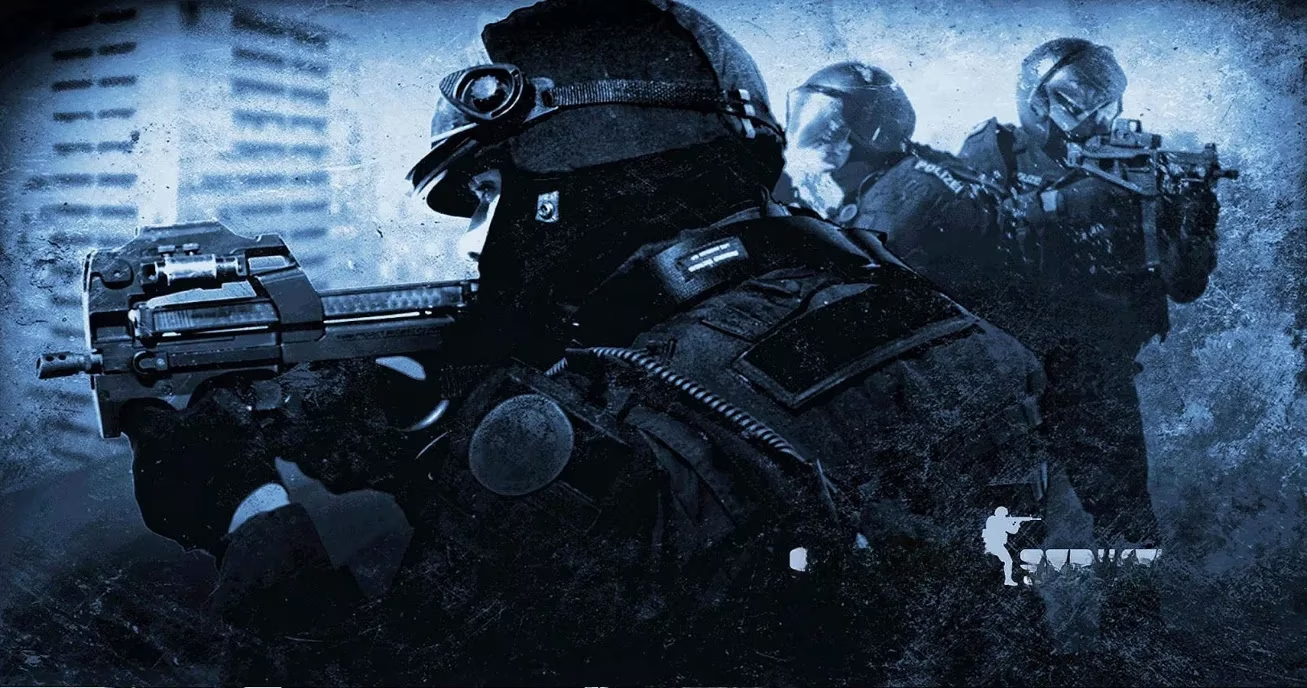
Now, while the code leak turned out to be a digital dud, the cheaters? They weren't so lucky. Just a few days later, on April 26, 2020, justice was served, and it was served cold. It was a glorious day for anyone who loves to see karma in action, delivered via the sweet, sweet sound of the banhammer coming down. Over on the popular competitive platform FACEIT, hundreds of CS:GO players found their accounts turned to dust. What was their crime? Trying to get a leg up by tinkering with the game's files. The catalyst was a video from a YouTuber named Mefju23, who had a sizable audience of over 280,000 subscribers. His video was a tutorial, a 'how-to' guide on editing a specific file to make enemy footsteps sound like a herd of elephants – a massive, unfair advantage. FACEIT wasn't having any of it. They swung that banhammer with gusto, permanently booting over 400 players off their platform. The irony? A huge chunk of those banned were from Poland, which just so happens to be where FACEIT is based. Oops. Talk about cheating in your own backyard!
Let's break down the cheater's toolkit and FACEIT's response:
| The Temptation | The Crime | The Consequence |
|---|---|---|
| Mefju23's Tutorial Video | Altering game files for clearer audio cues | Instant, permanent ban from FACEIT |
| Desire for a Competitive Edge | Gaining an unfair auditory advantage | Account wiped, reputation tarnished |
| "Everyone else is doing it" mentality | Violating platform's Terms of Service | Over 400 players, primarily in Poland, removed |
The whole saga was a masterclass in 'find out'. The community largely cheered, though you can bet there were a few salty tears in Poland that day.
Meanwhile, in the more organized world of professional CS:GO, the adults in the room were trying to sort out a different kind of mess: the calendar. The Counter-Strike Professional Players' Association (CSPPA) and other big-name tournament organizers found themselves in a marathon meeting. The topic? How to rearrange the entire esports year. The global situation back then had everyone's schedules in a twist, so they were plotting a major shake-up:
-
Pushing the Summer Break: They wanted to move it two whole weeks earlier. Imagine that – getting your vacation time bumped up!
-
Extending the Winter Break: And why stop there? They planned to add an extra week of cozy holiday downtime.
This wasn't just about giving players more beach time. It was a strategic move to build in buffer zones, making it easier to adapt to any last-minute changes or disruptions. Planning a global circuit is hard enough without external factors throwing wrenches in the works. This proposed calendar shift was all about creating a more resilient, player-friendly schedule. It showed the scene was maturing, thinking ahead instead of just reacting.
So, there you have it. One week in the life of CS:GO: a potential security scare that fizzled, a glorious purge of cheaters, and the pro scene quietly trying to build a better future. It was a reminder that in the world of competitive gaming, the battles aren't just fought on de_dust2. They happen in code repositories, on anti-cheat servers, and in boardrooms where the next season's dates are hashed out. The more things change, the more they stay the same, huh?
And just like that, the spotlight moved on. The next big thing was waiting in the wings, ready for its moment...
Comments