
CS:GO's Gambling Legacy: A Player's Perspective on Lootboxes and Responsibility
I still remember the first time I opened a CS:GO case back in 2015. The anticipation as the virtual slot machine spun, the colorful skins flashing before my eyes like digital candy, and the crushing disappointment when I received another 3-cent skin that didn't cover the $2.50 key cost. Little did I know then that I was participating in what would become one of gaming's most controversial gambling ecosystems.
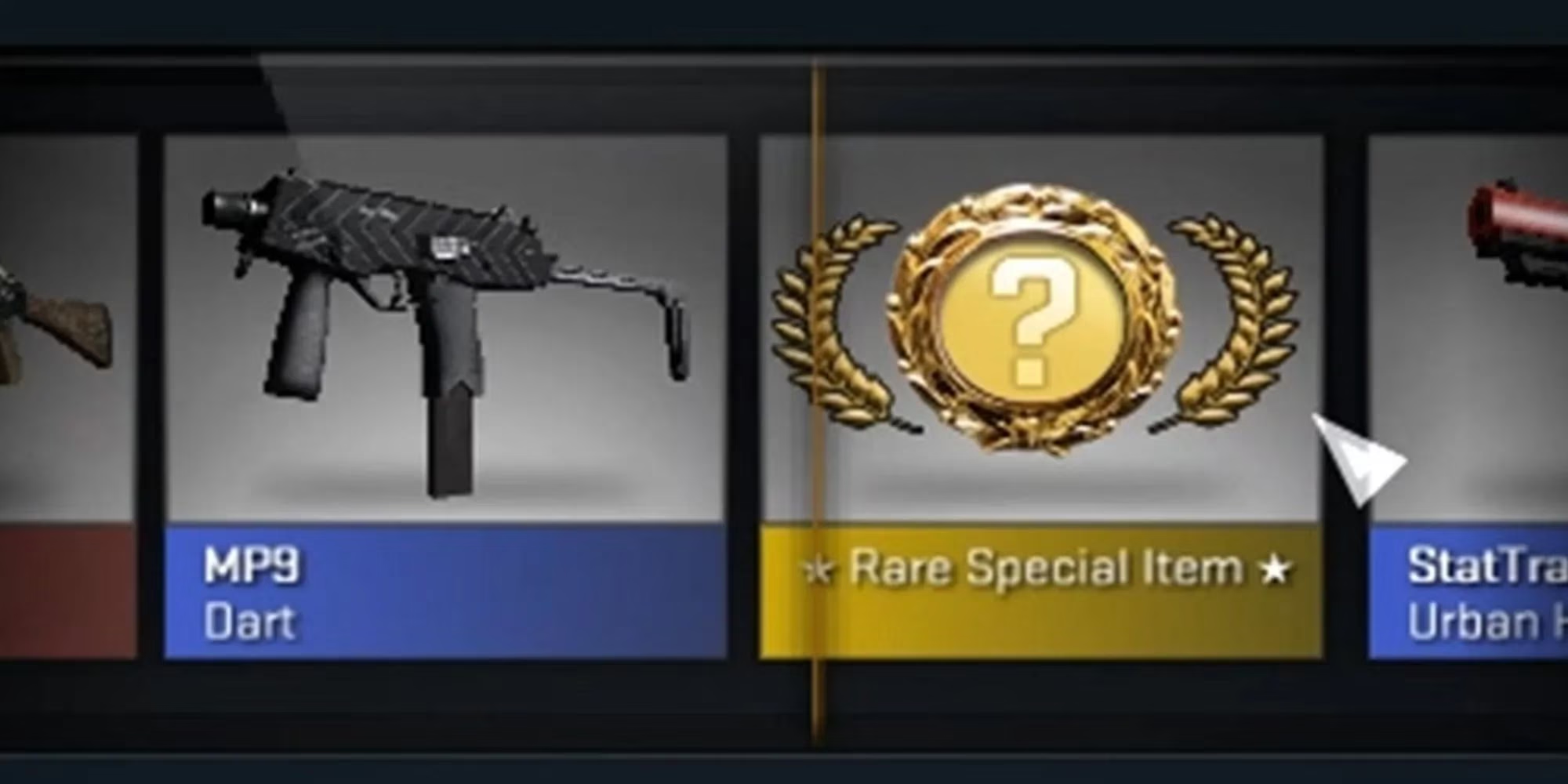
The system Valve created was like building a casino and then acting surprised when people started gambling. CS:GO's case openings are essentially slot machines disguised as game mechanics. You watch the skins fly past like symbols on a fruit machine, waiting for that magical moment when the animation stops on something valuable. It's about as subtle as a fireworks display in a library.
What truly disturbed me was discovering how this system bled into the real world. Through Steam's API, third-party sites created an entire shadow economy where virtual skins became real currency. I've seen friends get sucked into this world, chasing losses like gamblers at a roulette table. The most heartbreaking stories involve children—some as young as 11—using their parents' credit cards after being exposed to gambling sites marketed directly to them on platforms like YouTube.

The psychology behind these mechanics is terrifyingly effective. Each case opening is like watching a meteor shower—you keep hoping the next one will be the big one that changes everything. The system plays on our innate desire for patterns and rewards, creating what I can only describe as a digital version of the lottery ticket phenomenon. You're not just buying a skin; you're buying a dream, however improbable.
What makes this particularly insidious is how Valve benefits from the entire ecosystem. The company takes a 15% cut from every marketplace transaction, meaning those thousand-dollar knife skins aren't just making collectors happy—they're padding Valve's pockets substantially. It's like owning the casino and the bank, while pretending you're just providing entertainment.

As we look toward Counter-Strike 2 in 2023, I can't help but feel like we're at a crossroads. The new game represents an opportunity to break from this predatory system, yet Valve continues releasing new cases—essentially adding more slot machines to their digital casino. It's like watching someone pour gasoline on a fire while claiming they want to put it out.
What makes CS:GO's system particularly dangerous:
-
🎰 The slot machine mechanics are explicitly designed to trigger gambling responses
-
💸 Real-world value creates actual financial stakes
-
👶 Easy accessibility to young audiences
-
🔄 Self-perpetuating marketplace economy
If I could redesign the system, I'd advocate for direct skin sales at fixed prices. A $200 skin might sell for $20 directly from Valve—still expensive for virtual cosmetics, but transparent and predictable. This would eliminate the gambling aspect while still allowing players to customize their experience. It would be like replacing a crooked carnival game with an honest storefront.
Comparing Lootbox Systems (2023 Perspective):
| Game | System | Gambling Elements |
|---|---|---|
| CS:GO | Cases with keys | High (real money value) |
| Overwatch 2 | Removed lootboxes | None |
| FIFA | Player packs | Medium (no cash out) |
Valve has the power and resources to create a better system. As a company that essentially owns PC gaming through Steam, they don't need to rely on gambling mechanics to remain profitable. Continuing down this path makes them complicit in the harm caused by these systems.
The human cost is what keeps me up at night. I've witnessed friends spend thousands chasing virtual items, their behavior mirroring that of problem gamblers. The system preys on vulnerability and addiction tendencies, wrapped in the colorful packaging of gaming culture. It's like finding a wolf in sheep's clothing at your local playground.
As we move forward, I hope Valve recognizes that true innovation means creating systems that don't exploit human psychology for profit. Counter-Strike 2 should be about celebrating competitive gaming, not maintaining a digital casino that preys on its most dedicated players. The ball is in Valve's court—will they continue building on flawed foundations, or will they create something better for the next generation of gamers?
Details are provided by Entertainment Software Association (ESA), which regularly publishes research on the impact of in-game monetization and player safety. ESA's policy recommendations emphasize the importance of transparency and parental controls in games featuring lootboxes, underscoring the need for industry-wide standards to protect younger audiences from gambling-like mechanics.
Comments