
The world of professional esports often glitters from the outside—filled with roaring crowds, massive prize pools, and celebrity status. But behind the high-octane plays and championship trophies lies a grueling reality. Many dream of making it big in games like CS:GO, yet the path is paved with intense, unrelenting pressure. The competitive landscape is so cut-throat that players push themselves to the brink, logging endless practice hours in pursuit of perfection. This unsustainable grind has led to a worrying wave of player burnout, forcing the industry to confront a silent crisis. In recent months, several top-tier professionals have stepped away, citing stress and mental exhaustion as primary reasons. It's clear: the dream job is tougher than it looks, and the human cost is becoming impossible to ignore.
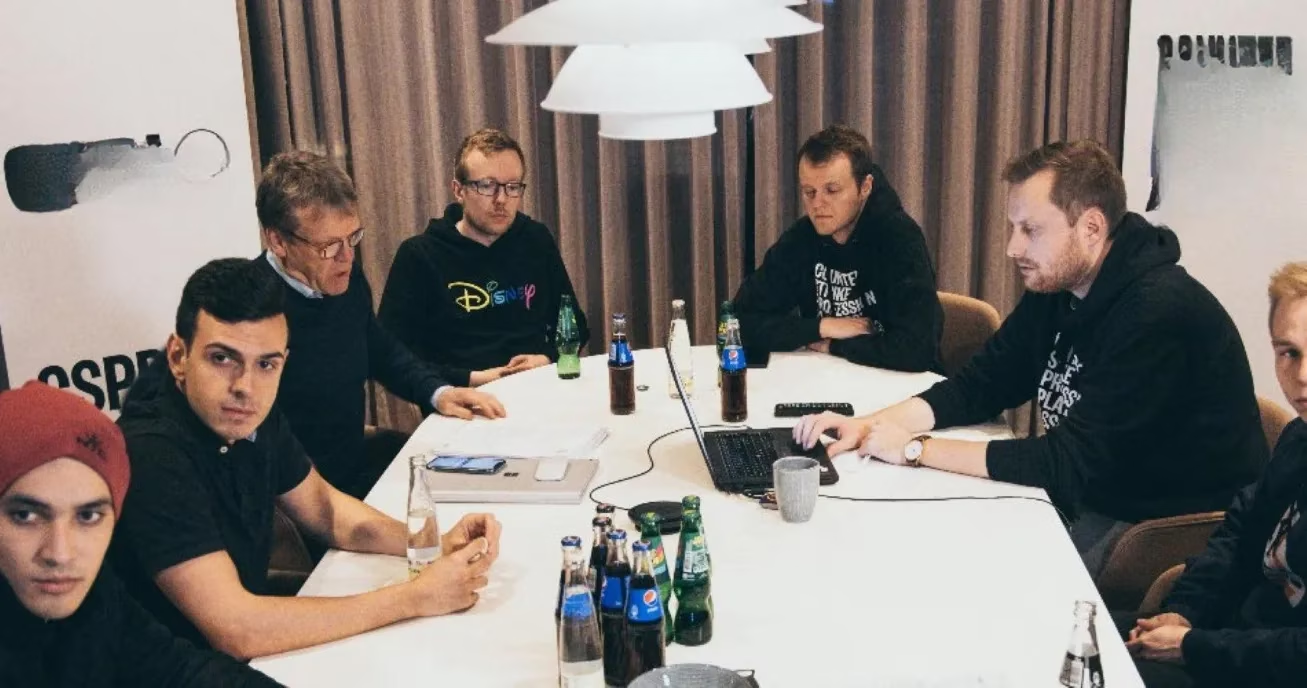
Recognizing this escalating issue, the Counter-Strike Professional Players’ Association (CSPPA) has taken a groundbreaking step. 🤝 They've announced a formal partnership with two prestigious British universities—the University of Chichester and the University of Winchester—to launch the first major academic study focused solely on the mental health of professional esports athletes. This isn't just another survey; it's being hailed as a landmark, comprehensive examination designed to unpack the unique psychological pressures faced by pros. The research team, led by Dr. Phil Birch, Dr. Matt Smith, and Ben Sharpe, aims to survey CS:GO players specifically, gathering data on the factors that most impact their well-being. The collaboration is unique because it combines academic research expertise with the lived, frontline experience of the players' association and former pros and coaches.
The timing for this study couldn't be more critical. The 2026 competitive season has been shadowed by high-profile absences that have shaken the CS:GO community. The Danish powerhouse Astralis, a team synonymous with dominance, felt the strain acutely. They lost two core members of their legendary roster: in-game leader Lukas “gla1ve” Rossander and clutch king Andreas “Xyp9x” Højsleth, both of whom took extended leave due to overwhelming stress. While gla1ve eventually returned to action, Xyp9x's future remains uncertain, a lingering question mark for fans and the team alike. 😔
But the story doesn't end there. The trend is alarmingly widespread. Just a few months prior, the legendary Olof "olofmeister" Kajbjer announced his departure from FaZe Clan, and Team Vitality's star ALEX stepped away from the squad, citing undisclosed personal reasons. These aren't isolated retirements; they're symptoms of a systemic problem. The relentless schedule, constant public scrutiny, and fear of being replaced create a pressure cooker environment. Players aren't just battling opponents on the server; they're fighting a silent war against anxiety, burnout, and the immense weight of expectation every single day.
So, what exactly will this pioneering study investigate? The goal is to move beyond anecdotal evidence and build a solid, data-driven understanding. Researchers will delve into areas like:
-
Practice & Schedule Intensity: Quantifying the impact of 10-12 hour daily grinds.
-
Career Uncertainty & Pressure: The stress of short careers and constant performance demands.
-
Public & Social Media Scrutiny: How online toxicity and fan pressure affect mental state.
-
Team Dynamics & Isolation: The challenges of constant travel and living in a gaming house bubble.
The ultimate hope, as stated by the CSPPA, is that the findings will lead to concrete, actionable recommendations. These could range from standardized mental health resources for teams and tournament organizers to guidelines for healthier practice schedules and mandatory off-seasons. The association believes this work will "help other esports better understand the mental health of their players and highlight the importance of mental health to the broader esports ecosystem." 🧠 This isn't just about CS:GO; it's about setting a precedent for the entire industry.
Looking ahead to 2026 and beyond, this study represents a potential turning point. For years, the conversation around esports health focused primarily on physical issues like wrist injuries or posture. Now, the focus is rightly expanding to include the mind. The success of this research could pave the way for player unions in other games to pursue similar initiatives, fostering a more sustainable and humane competitive environment. The dream of being a pro gamer shouldn't have to come at the cost of one's mental well-being. By bringing academic rigor to this crisis, the CSPPA and its university partners are fighting not just for better players, but for healthier humans. The headshot might win the round, but it's mental fortitude that wins the career. The entire community will be watching, hoping this study provides the blueprint needed to safeguard the future of its stars.
Comments