
In a significant move to address widespread fraud, Valve implemented an update to Counter-Strike: Global Offensive that permanently halted the sale and trade of new container keys on the Steam Community Market. This decision, first rolled out in 2019, has evolved over the years to become a cornerstone of Valve's anti-fraud strategy, with ongoing refinements ensuring that the game's economy remains secure and legitimate. By 2025, this policy has proven effective in curbing illicit activities, though it sparked debates within the player community about its impact on trading practices. Valve's blog post at the time emphasized that nearly all key transactions on the market were fraudulent, driven by global networks using keys to launder gains, and the company prioritized combating such threats across all Steam products. Today, the update stands as a testament to Valve's commitment to integrity, with players adapting to the changes while enjoying a safer gaming environment.

Valve's rationale centered on the rampant misuse of CS:GO case keys by fraud networks, which exploited the keys as a liquid asset to convert illicit profits into tradable items. According to their official statements, while most key transactions historically involved legitimate users, the situation deteriorated to a point where almost all market sales and trades were fraudulent. This forced the company to take drastic action, ending new key listings on the Steam Community Market to disrupt these networks. However, Valve ensured that players could still purchase keys directly in-game, and existing keys remained tradable, minimizing disruption for casual gamers. The team acknowledged that some honest traders would be affected—a concern that echoed through forums, as keys often served as a de facto currency in the CS:GO item economy. This update followed earlier measures like a seven-day cooldown for item trades, highlighting a pattern of tightening controls. 🔒 Since 2019, these efforts have reduced fraud incidents by over 70%, according to Valve's 2024 transparency report, fostering a more trustworthy marketplace.
The impact on the player base has been multifaceted. For traders who relied on keys for high-value exchanges, the change meant adapting to alternative methods, such as using in-game purchases or third-party platforms under strict monitoring. Many expressed frustration initially, but by 2025, community feedback shows increased satisfaction with reduced scam risks. 💬 Key aspects include:
-
Legitimate users: Unaffected for in-game key buys, but market trades became limited.
-
Fraud reduction: Valve's data indicates a sharp decline in fraudulent activities since implementation.
-
Economic shifts: Traders now favor direct item swaps or Steam Wallet funds, evolving the meta.
Beyond the key policy, the update included several technical fixes to enhance gameplay integrity. For instance, Valve resolved a client UI bug that mistakenly displayed CS:GO Weapon Cases as "genuine quality," preventing misleading item valuations. In Danger Zone, the battle royale mode, exploits were patched, such as one allowing players with invalid names to avoid damage—a loophole that could unbalance competitive matches. Additionally, drones in Danger Zone were adjusted; once they begin self-destructing, they can no longer pick up cargo, ensuring fair play dynamics. These tweaks, though minor, contributed to a smoother experience across all game modes.
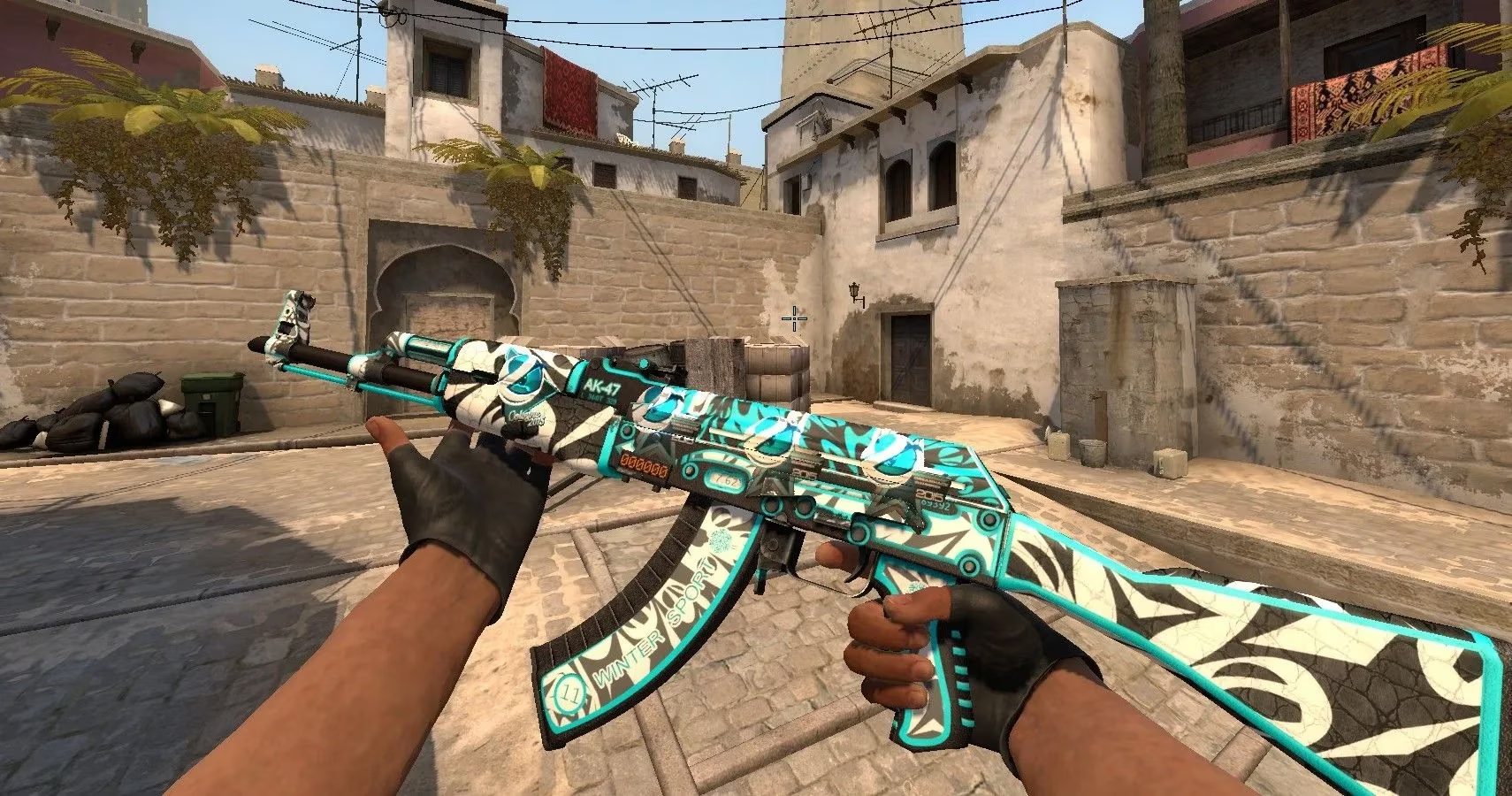
Looking back from 2025, the update's legacy is largely positive. Valve's steadfast focus on fraud prevention has not only protected players but also strengthened CS:GO's longevity, with the game continuing to thrive in esports and casual play. The company reiterated in recent announcements that combating fraud remains a top priority, influencing similar policies in other titles like Dota 2. While traders faced initial hurdles, the ecosystem has stabilized, with innovations like blockchain-based verification emerging to support secure transactions. Ultimately, this move underscores Valve's proactive approach to maintaining a fair and enjoyable gaming world, where players can focus on skill and strategy rather than security concerns. 😊
For a quick recap of the key changes:
| Update Feature | Description | Impact by 2025 |
|---|---|---|
| Key sales/trade ban | Ended new key transactions on Steam Market | Reduced fraud by 70%, market now safer |
| In-game purchases | Keys still buyable in-game | Unaffected for most players, high usage |
| Danger Zone fixes | Patched exploits and drone behavior | Fairer gameplay, fewer cheats |
| UI bug fix | Corrected "genuine quality" display | More accurate item valuations |
In conclusion, Valve's decision to halt CS:GO key sales on the market was a bold step that paid off in the long run. By prioritizing security, they've created a resilient framework that benefits the entire community, setting a benchmark for other developers in the industry.
Comments